As a parent, I'm always on the lookout for fun and engaging ways to help my kids learn. Alphabet letter recognition worksheets are a godsend for those moments when you need a quick, no-fuss activity to keep the little ones occupied and learning. These printables are a great resource, especially when you want to focus on identifying letters and their sounds. I recently discovered some awesome free letter recognition printables online, and they've been a hit with my kids! In fact, we just used some of them alongside 12 Skip Counting Worksheet Printables for Kids, which was a fun way to mix things up.
Preschoolers practice letter recognition.

Unlocking the Power of Alphabet Letter Recognition Worksheets
Alphabet letter recognition worksheets are an incredibly versatile and powerful tool for educators and parents alike. These simple yet effective resources offer a fun and engaging way to introduce young learners to the world of letters and their sounds. By providing a structured yet playful environment, these worksheets lay the foundation for reading and writing skills, making them an essential part of early childhood education.
Exploring the World of Uppercase and Lowercase Letters
One of the key strengths of alphabet letter recognition worksheets is their ability to cater to different learning levels and styles. For beginners, worksheets often focus on simple letter identification tasks, helping children recognize and differentiate between uppercase and lowercase letters. This foundational skill is crucial for developing a strong understanding of the alphabet and its various forms.

Free printable letter identification.

Tracing letter A: preschool fun.

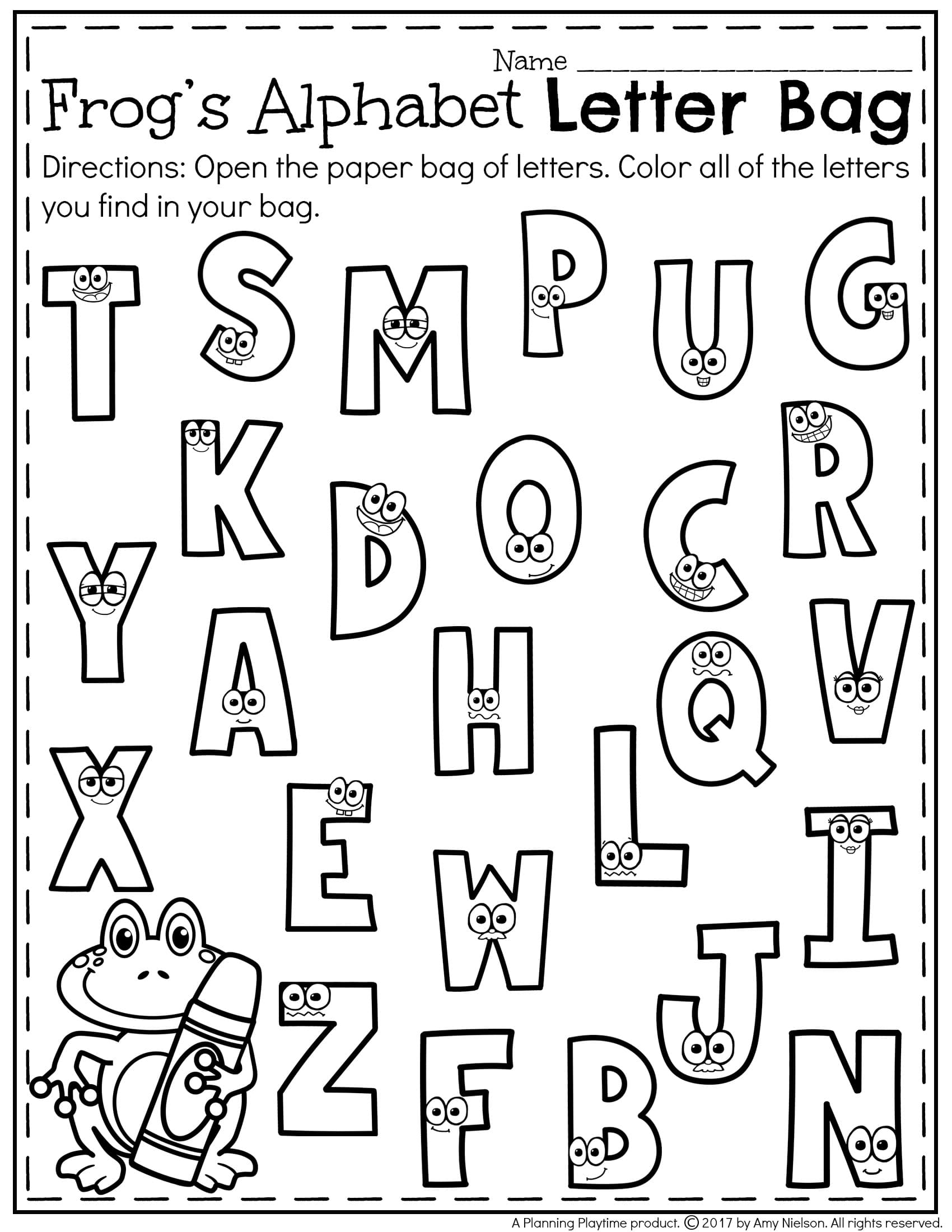
Letter find: A-Z challenge.

Alphabet recognition: PDF worksheets.

Find and match alphabet letters.

Free letter recognition exercises.

Teachers' alphabet recognition resources.

Alphabet recognition: printable worksheets.

Homeschool letter recognition practice.

Teachers' alphabet recognition tools.

PDF alphabet recognition: A-Z.
As learners progress, worksheets can introduce more complex activities, such as letter match games or find the letter exercises. These interactive tasks encourage children to apply their letter recognition skills in a fun and engaging way, reinforcing their knowledge and building confidence. Some worksheets may even incorporate elements of storytelling or theme-based learning, making the process even more enjoyable and memorable.
People Also Ask: What Age Are These Worksheets Suitable For?
A common question among parents and educators is determining the appropriate age range for alphabet letter recognition worksheets. While the specific age can vary depending on the child's developmental stage and prior exposure to letters, these worksheets are generally suitable for preschoolers and kindergarteners. This age group typically ranges from around 3 to 6 years old, although some worksheets may be adapted for slightly older or younger learners.
It's important to note that letter recognition is a fundamental skill that forms the basis for future reading and writing abilities. By introducing these worksheets early on, educators and parents can ensure a solid foundation for their child's literacy journey. However, it's equally crucial to ensure that the worksheets are age-appropriate and engaging, as this will greatly impact the child's motivation and interest in learning.
How to Choose and Use Alphabet Letter Recognition Worksheets Effectively
When selecting and utilizing alphabet letter recognition worksheets, there are a few key considerations to keep in mind. Firstly, it's essential to choose worksheets that align with the child's current level of understanding and skill. Worksheets that are too easy may not provide sufficient challenge, while those that are too difficult can lead to frustration and demotivation.
Secondly, consider the variety of activities and themes offered by the worksheets. A diverse range of exercises, such as recognize and trace, match uppercase lowercase, or identify and color, can help maintain the child's interest and provide a well-rounded learning experience. Additionally, incorporating interactive elements, such as cut-and-paste activities or hands-on manipulatives, can further enhance engagement and make learning more enjoyable.
Lastly, it's important to create a supportive and encouraging learning environment. Whether in a classroom, homeschool setting, or at home, ensure that the child feels comfortable and motivated to explore and learn. Positive reinforcement and praise can go a long way in fostering a love for learning and building confidence in their abilities.
The Benefits of Alphabet Letter Recognition Worksheets: A Fun and Effective Learning Journey
Alphabet letter recognition worksheets offer a multitude of benefits, making them an invaluable resource for early childhood education. By providing a structured yet playful approach to learning, these worksheets engage and motivate young learners, fostering a positive attitude towards literacy.
One of the key advantages is the ability to tailor the learning experience to the individual child. Worksheets can be easily adapted to suit different learning styles and paces, ensuring that each child receives the support and challenge they need. Additionally, the variety of activities and themes offered by these worksheets helps maintain interest and prevents learning from becoming monotonous.
Furthermore, alphabet letter recognition worksheets provide a solid foundation for future literacy skills. By mastering letter recognition, children are better equipped to tackle more complex tasks, such as phonics and reading comprehension. This progressive approach to learning ensures a smooth transition and sets the stage for a successful educational journey.
In conclusion, alphabet letter recognition worksheets are a powerful tool for educators and parents, offering a fun and effective way to introduce young learners to the world of letters. By providing a structured yet engaging learning environment, these worksheets lay the foundation for future literacy skills, making them an essential part of early childhood education.
These worksheets truly are a fantastic way to spark curiosity and set your little ones on the path to literacy. With their bright colors and interactive nature, they make learning an adventure!
So, why not give them a go? Print a few out, gather some crayons, and watch as your child's face lights up with excitement. We'd love to hear how it goes, so don't forget to leave a comment and share your stories!
Playful letter find activity sheet.